
Maintaining consistent industrial operations requires careful attention to every component involved in controlling fluid and gas movement. Valves play an important role in supporting equipment efficiency, process accuracy, and operational continuity. Identifying performance changes at an early stage helps maintenance teams take timely action and maintain dependable system functionality. Understanding common warning indicators through https://www.vincervalve.com/solenoid-valve-failure-symptoms/ also encourages informed maintenance decisions and supports long-term equipment reliability.
Recognizing Early Valve Performance Changes
Regular observation helps identify minor performance variations before they influence overall operations. Early diagnosis provides valuable information about component conditions and helps maintenance teams organize appropriate servicing activities.
Important indicators to monitor include:
- Unusual Operating Sounds: Changes in clicking, humming, or vibration patterns can provide useful information about valve performance.
- Inconsistent Flow: Variations in fluid movement may indicate that internal components require inspection.
- Delayed Valve Response: Slower opening or closing movements can highlight the need for timely performance evaluation.
- External Leakage: Regularly checking connection points and valve surfaces supports effective maintenance planning.
- Pressure Variations: Monitoring pressure levels helps identify changes in system performance and maintain balanced operation.
- Temperature Differences: Observing unusual temperature changes around valve assemblies provides additional diagnostic information.
Recognizing these signs encourages proactive decisions and creates opportunities to maintain consistent equipment performance.
Supporting Maintenance Through Timely Diagnosis
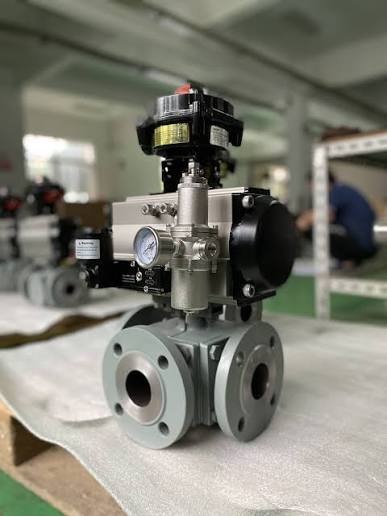
An organized diagnostic approach makes industrial maintenance more effective and manageable. Instead of waiting for noticeable operational interruptions, maintenance teams can use regular inspections to understand component conditions and schedule suitable servicing.
Several practices contribute to effective valve diagnosis:
- Scheduled Inspections: Establish consistent inspection intervals to evaluate external conditions and operating responses.
- Performance Monitoring: Observe pressure, flow, temperature, and response times to identify developing variations.
- Connection Assessments: Examine fittings, seals, and electrical connections to support dependable operation.
- Component Cleaning: Remove accumulated particles and maintain suitable internal movement where applicable.
- Operational Testing: Check opening, closing, and switching functions to confirm consistent performance.
- Maintenance Documentation: Record inspection observations and servicing activities for easier performance comparisons.
These practices encourage better maintenance coordination while helping industrial systems operate with greater consistency.
Improving Equipment Efficiency and Operational Continuity
Early diagnosis contributes to a more organized industrial environment by helping teams understand maintenance requirements before they become significant. Timely attention also supports better resource planning and encourages responsible equipment management.
Key operational advantages include:
- Maintaining consistent fluid and gas control across connected processes.
- Supporting dependable equipment response during regular operating cycles.
- Improving maintenance scheduling through accurate inspection records.
- Encouraging efficient use of replacement components and maintenance resources.
- Supporting longer equipment service life through appropriate care.
- Helping teams maintain stable production activities with planned servicing.
A preventive approach also strengthens communication between operators and maintenance personnel, creating a clearer understanding of equipment requirements.
Building Long-Term Reliability Through Preventive Care
Reliable industrial operations depend on consistent monitoring, informed decisions, and well-planned maintenance activities. Early valve diagnosis allows maintenance teams to recognize developing changes, evaluate component conditions, and introduce suitable corrective measures. Combining regular inspections with performance monitoring creates a practical foundation for operational stability. Continuous attention to maintenance quality also supports equipment efficiency, workplace coordination, and productive operating cycles. By following dependable maintenance practices and exploring https://www.vincervalve.com/de/, industrial teams can strengthen their understanding of valve solutions and support consistent performance across their operations.