Category: Business

Modern Tracking Features Deliver Valuable Insights Into Spending Patterns

Modern tracking features are transforming how individuals and businesses understand spending patterns. By organizing financial information and presenting useful insights, these advancements support better awareness, smarter planning, and more efficient management of everyday expenses.

Expense Management

Clear Spending Visibility Supports Better Awareness

Tracking features provide a clearer view of where money is being used across different categories and activities. Improved visibility helps users understand financial habits and identify opportunities to manage resources more effectively.

  • Provides organized views of spending activity
  • Helps identify common expense categories
  • Supports better understanding of financial habits
  • Makes important spending information easier to review
  • Encourages greater financial awareness

Real-Time Insights Improve Financial Planning

Access to timely spending information can make financial planning more responsive and effective. Users can review current activity, understand changing patterns, and make thoughtful decisions based on updated information.

  • Supports faster awareness of spending changes
  • Helps users adjust plans when necessary
  • Encourages more informed financial decisions
  • Improves control over everyday expenses
  • Supports stronger short-term and long-term planning

Detailed Reports Reveal Valuable Patterns

Well-organized reports can highlight recurring trends and provide meaningful insights into financial activity. These details help users recognize opportunities for improved organization and more efficient resource management.

  • Highlights recurring spending behaviors
  • Shows changes across different periods
  • Supports comparison between expense categories
  • Helps identify useful financial trends
  • Encourages more strategic planning

This website https://expensevisor.com/charlotte/ supports Greater Financial Awareness

Access to relevant financial information can help users explore modern approaches to tracking and understanding expenses. Greater awareness encourages individuals and businesses to make more informed choices while improving their overall financial organization.

  • Encourages learning about modern tracking approaches
  • Supports improved understanding of spending activity
  • Helps users explore useful financial insights
  • Promotes thoughtful expense planning
  • Strengthens confidence in financial management

Improved Categorization Makes Analysis Easier

Organized expense categories make it simpler to understand how financial resources are being distributed. Clear classification allows users to review information quickly and focus on areas that require greater attention or planning.

  • Groups expenses into clear categories
  • Simplifies review of financial activities
  • Supports faster identification of spending trends
  • Improves organization of important information
  • Makes financial analysis more convenient

Personalized Insights Support Individual Goals

Modern tracking features can provide information that aligns with different financial priorities and preferences. Personalized insights help users focus on the areas most relevant to their goals and encourage more meaningful financial progress.

  • Supports different financial planning objectives
  • Provides more relevant spending information
  • Helps users focus on personal priorities
  • Encourages consistent financial awareness
  • Improves confidence in everyday decisions

Future Tracking Advancements Will Expand Possibilities

Continued innovation is expected to make spending analysis even more accessible, accurate, and useful. Future improvements can help users gain deeper insights while supporting stronger organization and more efficient financial planning.

  • Greater accuracy in spending analysis
  • More convenient access to financial insights
  • Improved support for long-term planning
  • Stronger personalization across financial activities
  • Continued progress in financial awareness

Modern tracking features are delivering valuable insights into spending patterns by improving visibility, organization, planning, and decision-making. As these capabilities continue to develop, users can benefit from greater financial awareness and more efficient resource management. The positive growth of tracking technology creates new opportunities for smarter planning, stronger confidence, and improved control over everyday financial activities.

Top 5 Features to Look for in a High-Quality Pan Mixer for Refractory Castables


MixerIf your pan mixer doesn’t punish the material, you’re not making refractory castables—you’re making mud. That’s the cold truth. Refractory castables are brutal on equipment. They’re abrasive, heavy, and chemically aggressive. A cheap mixer will cost you more in downtime and rejected batches than it ever saved on the purchase price. So, when you’re shopping for a high-quality pan mixer, stop looking at the paint job and start looking at the guts. Here are the five non-negotiable features that separate a workhorse from a paperweight.

  1. The Pan Liner and Blade Material Must Be Abrasion-Resistant, Not Just “Hardened”

Most manufacturers slap a “hardened steel” label on their liners and call it a day. That’s a lie waiting to happen. For refractory castables, you need liners and blades made from high-chrome cast iron or a manganese alloy that can handle the silica and alumina grit without turning into dust after 200 cycles. A high-quality mixer will have replaceable wear parts that are thick—think 15mm minimum—and bolted, not welded. Welded liners are a nightmare to replace. If the seller can’t tell you the specific Rockwell hardness of the liner material, walk away.

  1. The Drive System Needs a Gearbox That Loves Torque, Not Speed

Refractory castables are stiff. They don’t flow like concrete; they resist. A belt-driven motor with a flimsy gearbox will slip, overheat, or snap under load. You want a direct-drive planetary gearbox with a high torque-to-weight ratio. Look for a gearbox that runs in an oil bath, not grease. Oil bath systems dissipate heat better and last years longer. The motor should be oversized by at least 20% relative to the rated batch capacity. Why? Because your operator will always push the batch size past the spec. Plan for that abuse.

  1. The Mixing Action Must Be Forced, Not Gravity-Dependent

Some mixers rely on the pan spinning and hoping the material falls into the blades. That’s fine for soup, not for castables. You need a pan mixer with a fixed pan and a rotating star or counter-current mixing tool. This forces the material to be sheared, folded, and compressed against the pan walls. Look for a design where the mixing tools overlap in their sweep paths. If there’s a dead zone in the center where material sits untouched, you’ll get dry spots and inconsistent batch quality. A high-quality mixer will have a dedicated scraping tool that keeps the center clear and feeds material back into the active mixing zone.

  1. Discharge System Must Be Hydraulic or Pneumatic, With a Wide Opening

Manual discharge doors are for hobbyists. In a production environment, you need a door that opens fully in under three seconds and seals tight with zero leakage. A high-quality pan mixer will have a bottom discharge door that is either hydraulically or pneumatically actuated, with a rubber or polyurethane seal that can be replaced in minutes. The opening should be at least 60% of the pan diameter. If the door is small, the castable will bridge and clog. Also, check that the door mechanism is protected from the mix. If fines can get into the actuator cylinder, you’re looking at a rebuild every six months.

  1. The Control System Must Handle Variable Batch Sizes and Wet-Out Timing

Refractory castables are sensitive to water addition. Too much water and you kill the strength. Too little and you get a dry, unmixable mess. A high-quality pan mixer will have a control system that allows you to program the mixing sequence: dry mix time, water addition rate, and wet mix time. Look for a system that uses a load cell or amperage feedback to adjust the mix cycle automatically based on the batch weight. If the control panel looks like it was designed in 1995 with membrane switches and no data logging, you’re buying a headache. Modern mixers should offer a simple touchscreen interface with recipe storage for at least 20 different castable formulations.

One more thing: don’t overlook the brand’s willingness to sell you spare parts. If the manufacturer doesn’t stock liners and blades for immediate shipment, your mixer will sit idle for weeks when a blade wears out. That’s lost money. A high-quality pan mixer is an investment in consistency. It should feel overbuilt, sound heavy, and look like it could chew through a truck tire. If it feels light, it’s not for refractory. Period.

Transform Your Space Through Expert Shower And Tub Doors Installation

A polished bathroom can significantly elevate the comfort, beauty, and functionality of a home. One of the most effective ways to achieve this transformation is through expert shower and tub doors installation. Carefully fitted doors create a clean, refined appearance while improving convenience and enhancing the overall atmosphere of the space.

The Value Of Professional Installation

Expert installation ensures that shower and tub doors fit perfectly and operate smoothly for years to come. Precision measurements and quality workmanship help create a flawless finish that complements the bathroom design.

Key Benefits Include:

  • Improved visual appeal
  • Enhanced functionality
  • Better water containment
  • Increased durability
  • Smooth door operation
  • Cleaner and more organized appearance
  • Long-lasting performance
  • Greater daily comfort

A professionally completed installation contributes to a bathroom that feels both luxurious and practical.

Creating A More Spacious Appearance

Shower Doors

Well-designed shower and tub doors can make bathrooms appear larger and brighter. Transparent and sleek designs allow natural and artificial light to move freely throughout the room.

Features That Enhance Openness

  • Clear sightlines across the bathroom
  • Increased light reflection
  • Reduced visual clutter
  • Elegant modern styling
  • Seamless integration with existing décor
  • Balanced and inviting atmosphere

These advantages help transform ordinary bathrooms into attractive and welcoming spaces.

Improved Daily Convenience

Modern shower and tub doors are designed with convenience in mind. Proper installation ensures effortless use while enhancing everyday routines.

Everyday Advantages

  • Easy opening and closing
  • Smooth sliding or swinging action
  • Reduced water splashes
  • Comfortable access to bathing areas
  • Simple maintenance requirements
  • Reliable long-term functionality

A bathroom that functions efficiently can make daily activities more enjoyable and stress-free.

Enhancing Bathroom Style

Professional installation allows homeowners to choose designs that match their personal preferences and interior themes. From contemporary to classic aesthetics, shower and tub doors can significantly influence the room’s character.

Style Enhancements

  • Clean architectural lines
  • Sophisticated visual appeal
  • Bright and airy ambiance
  • Elegant finishing details
  • Harmonious design flow
  • Refined overall presentation

Many homeowners discover that incorporating features inspired by shower doors and more in Alberta concepts helps create a polished and highly attractive bathroom environment without overwhelming the space.

Long-Term Durability And Value

Quality installation contributes to the longevity of shower and tub doors. Secure fittings and accurate alignment help maintain performance while preserving appearance over time.

Lasting Benefits

  • Strong structural stability
  • Reduced wear and tear
  • Consistent operation
  • Reliable protection against water leakage
  • Attractive appearance for years
  • Excellent value from the investment

Professional craftsmanship helps ensure that every component performs as intended while maintaining a beautiful finish.

Conclusion

Expert shower and tub doors installation offers an excellent opportunity to transform any bathroom into a stylish, functional, and inviting space. With enhanced aesthetics, improved convenience, greater durability, and long-lasting value, professionally installed doors create a positive impact that can be enjoyed every day. A thoughtfully designed and expertly completed installation brings elegance, comfort, and lasting satisfaction to any bathroom setting

Quality Workmanship Defines Every Outstanding Commercial Roofing Installation Project

Exceptional commercial roofing installation begins with quality workmanship that supports lasting durability, dependable performance, and excellent structural protection. Every stage of the installation process contributes to a roofing system that performs efficiently while enhancing the overall appearance and value of a commercial property. Skilled craftsmanship helps create reliable results that continue delivering benefits for many years.

Careful Planning Builds a Strong Foundation

Successful roofing projects begin with detailed planning and accurate preparation. Every measurement, material selection, and installation step is carefully organized to ensure a smooth process and dependable long-term performance.

  • Evaluate structural requirements before installation.
  • Select durable materials suited for long-term use.
  • Create an organized installation schedule.
  • Prepare the surface for maximum stability.
  • Promote efficient project completion with careful planning.

Precision Installation Delivers Reliable Results

Quality workmanship focuses on precision during every phase of installation. Proper techniques ensure roofing components fit securely while creating dependable protection against changing weather conditions and daily exposure.

  • Install materials with consistent accuracy.
  • Strengthen waterproof protection across the roof.
  • Improve resistance against environmental stress.
  • Support excellent structural stability.
  • Enhance overall roofing lifespan and reliability.

High-Quality Materials Improve Performance

Durable materials work together with skilled installation to produce outstanding commercial roofing systems. Combining premium materials with professional craftsmanship creates dependable performance while reducing long-term maintenance requirements.

  • Increase durability under daily conditions.
  • Maintain long-lasting structural integrity.
  • Improve energy efficiency throughout the building.
  • Preserve an attractive exterior appearance.
  • Support dependable protection year after year.

Additional information about commercial roofing solutions is available at https://phillipsroof.com/corpus-christi/commercial-roofing/ for those seeking a better understanding of installation methods and long-term roofing performance.

Regular Maintenance Protects Long-Term Value

Routine maintenance helps preserve roofing performance while extending service life. Consistent inspections and timely attention allow roofing systems to remain dependable while preventing unnecessary wear over time.

  • Identify minor concerns before they grow.
  • Maintain proper drainage throughout the roof.
  • Extend the life of roofing materials.
  • Preserve consistent weather protection.
  • Support lower long-term maintenance needs.

Lasting Benefits Support Property Success

Outstanding commercial roofing installation delivers value far beyond initial construction. A professionally installed roofing system improves safety, efficiency, and long-term performance while creating confidence for property owners.

  • Protect valuable interior assets effectively.
  • Improve building efficiency throughout every season.
  • Increase long-term property value.
  • Promote uninterrupted daily operations.
  • Deliver dependable performance for many years.

Quality workmanship remains the defining factor behind every successful commercial roofing installation project. Careful planning, precise craftsmanship, durable materials, and ongoing maintenance work together to create a roofing system that performs reliably throughout its lifespan. Investing in professional installation supports lasting protection, improves structural performance, and enhances the overall value of commercial properties. With attention to detail and commitment to excellence, commercial roofing continues providing dependable results that benefit buildings well into the future

Snap Action Micro Switch for Appliances: Ice Makers, Microwave Ovens, and More

Micro switch

Your ice maker stops dropping cubes. The microwave door feels loose, and it won’t start. Nine times out of ten, the culprit is a tiny component most people never think about: the snap action micro switch. It’s not glamorous. It’s not expensive. But when it fails, your appliance becomes an expensive paperweight.

Let’s talk about why this little switch matters more than the glossy exterior of your fridge or the fancy display on your microwave. Because when you’re selling appliances or designing them, the user experience lives or dies on reliability. And reliability starts with the switch that senses position, detects door closure, or controls the ice harvest cycle.

For ice makers, the environment is brutal. Freezing temperatures, condensation, and mechanical vibration are constant threats. A standard switch might work for a few months before the contacts oxidize or the actuator sticks. That’s when you get the call from a frustrated customer. The snap action micro switch from Unionwell handles this differently. It uses a spring-loaded mechanism that snaps open or closed with a crisp, decisive motion. No slow arcing. No hesitation. Just a clean break or make of the circuit. That’s critical when you’re controlling a water valve or a heater that could flood the freezer if it fails in the wrong position.

Microwave ovens present a different challenge. The door interlock system is a safety-critical application. If the switch doesn’t detect the door is closed, the magnetron can’t fire. But if it fails and the door opens during operation, you have a radiation hazard. That’s not a warranty issue; that’s a liability nightmare. The snap action micro switch used in these applications must have high contact pressure and a positive opening action. Unionwell designs its switches with silver alloy contacts that resist welding and a housing that meets global safety standards. You don’t want a switch that hesitates. You want one that clicks with authority.

Beyond ice makers and microwaves, think about coffee machines, air fryers, and toaster ovens. Any appliance that requires a door to be closed or a tray to be in position before it operates relies on this same technology. The beauty of the snap action micro switch is its simplicity. It’s a mechanical binary decision: on or off. No software glitches. No calibration drift. Just a physical snap that tells the control board exactly what’s happening.

From a marketing perspective, here’s the truth: customers don’t care about the switch. They care that the ice maker works every time and the microwave doesn’t spark. But if you’re the manufacturer, you care deeply. Because a cheap, unreliable switch will destroy your brand reputation faster than any marketing campaign can fix it. That’s why choosing Unionwell matters. Their switches are tested for mechanical life cycles that exceed industry norms. They offer multiple actuator styles so you can fit the switch exactly where you need it. And they provide consistent actuation force, so every unit feels the same on the production line.

If you’re sourcing components for your next appliance line, don’t treat the micro switch as an afterthought. It’s the gatekeeper of your product’s reliability. A good switch is invisible. A bad one is unforgettable. Make sure you’re using one that snaps with confidence.

What Cool Room Refrigeration Setups Really Need to Survive Commercial Demand

Commercial cold rooms don’t fail because someone bought the “wrong” evaporator. They fail because the operation outgrows its assumptions.

You can get away with sloppy thinking when you’re small. Once volume ramps, door traffic spikes, product mix changes, and audits get serious, the room stops being “a fridge” and becomes infrastructure. And infrastructure needs a plan, not vibes.


 Hot take: If you can’t forecast your load, you’re guessing with inventory

People love talking about cool room refrigeration capacity like it’s a single number on a spec sheet. That’s cute, until you realize your load isn’t steady. It’s messy. It’s Mondays. It’s promo weeks. It’s a truck arriving late and everyone holding the door open “just for a minute.”

Here’s the thing: stabilizing a cool room starts on a spreadsheet long before it starts at the compressor rack.

Forecasting that actually helps operations tends to use:

– historical throughput (by hour, not just by day)

– product mix and target core temps (warm product is a different beast)

– dwell time (fast-turn vs long storage behaves differently)

– occupancy schedules and staffing patterns

– weather swings and seasonal demand (yes, your condenser cares)

– planned downtime (maintenance windows are load events too)

Then you do the unglamorous part: compare the model to reality every week, document why it was wrong, and fix it. In my experience, teams that do this stop “mysteriously” losing temperature during peaks because they’ve finally admitted peaks exist.

One more thing: keep conservative buffers, but don’t size everything like every day is Black Friday. Oversizing is its own tax, short cycling, humidity issues, and wasted energy.


 Temperature stability isn’t a setting. It’s a control strategy.

A stable room doesn’t come from choosing “2°C” and hoping the universe cooperates. It comes from control logic that anticipates abuse.

Spikes are normal in commercial environments. Design for them on purpose:


 Setpoints, bands, and the art of not chasing your tail

Tight control is good… until it causes the system to hunt. The best setups I’ve seen use tiered setpoints by zone and controlled hysteresis so the compressors aren’t reacting like a nervous animal every time a door opens.

Sensor placement matters more than people admit. Put probes where they “look good” and you’ll get pretty graphs and ugly product. Calibrate in representative conditions and schedule drift checks, because drift happens (and it never happens at a convenient time).


 Airflow: the quiet troublemaker

You can have plenty of refrigeration capacity and still get hot spots if airflow is wrong.

A few practical rules that save real money:

– Don’t let racking choke return air paths.

– Avoid hot-air recirculation near evaporators (it fakes stability).

– Match fan speed and defrost logic to actual load, not habit.

– Treat air distribution like part of the design, not a commissioning afterthought.

Humidity isn’t optional either. Poor humidity control leads to condensate, icing, packaging damage, and hygiene headaches. If you’re storing mixed goods, humidity targets should be part of the control spec, not a “maybe later” enhancement.


 Monitoring: the difference between “we noticed” and “we lost product”

Now, this won’t apply to everyone, but if your monitoring is basically someone glancing at a wall display during a shift… you’re running blind.

Real-time monitoring should answer one question constantly: Are we still within spec, and how confident are we?

That means tracking, at minimum:

– temperature (by zone and at product-relevant points)

– humidity / dew point trends

– door status and door-open duration

– compressor run time, cycling frequency, and suction/discharge behavior

– defrost events and recovery time

Remote access isn’t a luxury. It’s how you cut response time from hours to minutes. And minutes matter.

A concrete data point: ASQ estimates the average cost of poor quality as 15, 20% of sales (ASQ, “Cost of Poor Quality”). Cold chain failures sit right inside that category once you count spoilage, claims, downtime, and reputational damage.


 Fail-safes should be boring (and that’s the compliment)

When something breaks at 2:00 a.m., the system should do something sensible before a human even finds their phone.

Good fail-safe design usually includes layered actions, not one dramatic “shutdown”:

– staged alarms (warning → critical → emergency)

– redundant sensing on critical zones (or at least sanity checks against outliers)

– automatic load shedding logic where applicable

– compressor lockout rules that protect equipment without sacrificing product unnecessarily

– backup power strategy aligned to realistic outage duration

– clear escalation paths (who gets called, when, and what they’re expected to do)

And yes, you test it. Not once. Regularly. I’ve seen “backup cooling” plans that looked amazing in a binder and did absolutely nothing in a real event because nobody drilled it.


 Energy efficiency: stop treating it like a side quest

If you’re serious about commercial scale, energy becomes a core KPI. Not just total kWh, but energy intensity, kWh per pallet moved, per cubic meter stored, per operating hour. That’s how you catch creeping inefficiency.


 Monitoring energy the way adults do

A decent approach is a centralized view that correlates energy use with:

– ambient conditions

– door openings

– defrost patterns

– compressor staging

– throughput/traffic

When energy spikes but load doesn’t, something’s wrong. Dirty condensers. Failing door seals. Defrost running like it’s on a 1998 timer. You don’t need a miracle, just instrumentation and attention.

(Also: secure your monitoring network. A compromised BMS isn’t theoretical anymore.)


 Load optimization that doesn’t punish the product

The best “efficiency” work avoids heroics. It’s mostly disciplined tuning:

– stage compressors to match real load

– schedule defrost based on need, not tradition

– reduce heat loads from lighting and peripherals

– maintain clearance for heat rejection (condensers can’t breathe through clutter)

Efficiency that compromises temperature stability is fake efficiency. The room exists to protect goods, not to win an energy dashboard contest.


 Lighting, access, maintenance… the unsexy stuff that keeps uptime high

I’ll say it plainly: workflow design is part of refrigeration performance.

Lighting that throws heat into the room, access patterns that keep doors open, and maintenance tasks that get skipped because they’re annoying, those are refrigeration variables, even if they don’t look like “refrigeration.”

One practical method that works is linking tasks to a digital checklist tied to actual performance signals:

– door seal inspection triggered by door-open alarms trending up

– coil cleaning triggered by longer pull-down times

– sensor calibration tied to drift or audit schedules

– defrost review triggered by recovery time increasing

Keep high-use product close to aisles. Reduce wandering. Reduce open-door time. People don’t like being told “close the door” 40 times a day; they like layouts that make it easy to work fast without breaking the room.

One-line truth:

Downtime loves disorganized facilities.


 Growth planning: modular beats heroic

When demand grows, the cold room should expand like a system, not like a patchwork.

That means:

– zoning that supports new product categories without chaos

– control architectures that scale (adding sensors/points shouldn’t be a redesign)

– capacity buffers defined by service level targets, not gut feeling

– change-management that includes approvals, testing, and rollback plans

Compliance isn’t a final destination either, it’s a treadmill. Map regulatory milestones to expansion phases so audits don’t ambush you mid-growth. HACCP alignment, calibration records, alarm logs, corrective actions, keep them structured, not scattered across emails and clipboards.

I’m opinionated on this: if you’re scaling, modularity is the only sane strategy. Big-bang upgrades look bold and then punish you for six months.


 The real “setup” is the operating system

Equipment matters. Obviously.

But the commercial-grade difference is this: forecasting, controls, monitoring, fail-safes, energy discipline, and workflow design all stitched together into something that can handle stress without drama. When that’s in place, spikes stop being emergencies. They become… Tuesday.

Premium Skincare Services Depend On Beauty Machine Technology

Premium skincare services continue to evolve through advanced equipment designed to support healthy-looking, radiant skin. Modern treatment methods focus on comfort, precision, and consistency, allowing skincare professionals to deliver impressive results. The growing role of beauty technology has transformed skincare experiences, helping individuals enjoy personalized care and enhanced treatment outcomes.

The Growing Importance of Advanced Technology

Beauty machine technology has become a valuable part of premium skincare services because it helps improve treatment efficiency and overall client satisfaction. These innovative systems support a variety of skincare goals while maintaining a comfortable experience.

Key Advantages Include:

  • Improved treatment accuracy
  • Enhanced comfort during procedures
  • Consistent application methods
  • Customized skincare solutions
  • Support for multiple skin concerns
  • Better treatment monitoring
  • Increased convenience for clients
  • Modern and professional service experiences

Personalized Care for Better Results

Beauty Machine

Every individual has unique skincare needs. Advanced beauty machines allow professionals to tailor treatments according to specific skin conditions and beauty objectives. This personalized approach helps create a more satisfying and effective experience.

Benefits of Customized Treatments

  • Targeted skincare support
  • Flexible treatment settings
  • Adaptable procedures for different skin types
  • Improved client confidence
  • Enhanced treatment consistency
  • Comfortable skincare sessions
  • Greater attention to individual goals

Many skincare providers also rely on resources such as https://www.konmison.com/it/ to stay informed about evolving beauty machine technology and treatment possibilities within the industry.

Features That Enhance Premium Services

Modern beauty machines are designed with innovative features that contribute to superior skincare experiences. Their advanced capabilities help professionals perform treatments with greater precision and confidence.

Popular Technology Features

  • User-friendly operation
  • Adjustable treatment options
  • Precise performance controls
  • Gentle skincare applications
  • Efficient treatment processes
  • Reliable functionality
  • Support for multiple skincare procedures
  • Enhanced client comfort measures

These features contribute to a professional environment where clients can enjoy high-quality skincare services with positive expectations.

Supporting Skin Appearance and Wellness

Premium skincare services are often focused on helping individuals maintain refreshed and vibrant-looking skin. Beauty machine technology supports these objectives by assisting professionals in delivering consistent and carefully managed treatments.

Positive Outcomes Often Associated with Advanced Treatments

  • Smoother-looking skin appearance
  • Refreshed facial presentation
  • Improved overall skincare experience
  • Enhanced confidence in personal care routines
  • Support for healthy-looking skin
  • Greater treatment satisfaction
  • Comfortable and relaxing sessions
  • Long-term skincare maintenance support

Conclusion

Premium skincare services continue to depend on beauty machine technology because it enhances precision, comfort, and personalization. Advanced equipment helps professionals deliver consistent and effective skincare experiences while supporting a wide range of beauty goals. With innovative features, customized treatment options, and a focus on client satisfaction, beauty machine technology remains an essential component of modern premium skincare services, contributing to positive experiences and beautiful-looking results

Customer Loyalty Increases Through Rednote Marketing Strategies Effectively

Customer loyalty is one of the most valuable assets any business can develop. Strong relationships encourage repeat purchases, increase positive recommendations, and create lasting connections with audiences. Effective marketing strategies help businesses build trust while delivering meaningful experiences that keep customers engaged over time.

Understanding the Value of Customer Loyalty

Loyal customers contribute to sustainable growth and long-term success. They often become enthusiastic supporters who willingly share positive experiences with others.

Key Benefits of Loyalty

  • Encourages repeat business
  • Strengthens customer relationships
  • Increases positive referrals
  • Supports long-term growth
  • Enhances customer satisfaction
  • Builds a dependable customer base
  • Creates stronger brand recognition

When customers feel appreciated and understood, they are more likely to remain connected and engaged.

Creating Meaningful Customer Experiences

Successful marketing focuses on delivering value at every interaction. Customers appreciate experiences that are relevant, engaging, and personalized.

Effective Experience-Building Techniques

  • Provide clear and helpful communication
  • Share valuable and informative content
  • Offer consistent customer support
  • Maintain a friendly and professional approach
  • Understand customer preferences
  • Deliver relevant recommendations
  • Encourage ongoing engagement

These actions help establish stronger emotional connections and increase customer confidence.

Building Trust Through Consistency

Trust plays a major role in loyalty development. Consistent messaging and reliable service encourage customers to feel secure in their decisions.

Ways to Strengthen Trust

  • Maintain consistent quality standards
  • Communicate openly and honestly
  • Meet customer expectations regularly
  • Respond promptly to inquiries
  • Focus on transparency
  • Deliver dependable experiences
  • Demonstrate commitment to customer needs

Customers who trust a business are more likely to continue their relationship over the long term.

Encouraging Engagement and Interaction

Engagement creates opportunities for businesses to strengthen relationships and better understand customer expectations. Interactive marketing approaches can increase participation and satisfaction.

Engagement-Focused Strategies

  • Invite customer feedback
  • Encourage discussions and conversations
  • Share educational resources
  • Highlight customer success stories
  • Provide useful updates
  • Offer exclusive insights
  • Create interactive experiences

A well-planned engagement strategy helps customers feel valued and connected.

Leveraging Modern Marketing Approaches

Modern techniques make it easier to reach audiences with relevant and compelling messages. Many businesses discover that integrating rednote app strategies into broader marketing efforts can support stronger audience engagement and deeper customer connections.

Benefits of Modern Approaches

  • Improved communication effectiveness
  • Greater audience participation
  • Enhanced customer experiences
  • Better relationship development
  • Increased customer retention
  • Stronger brand perception
  • Higher satisfaction levels

These advantages contribute directly to customer loyalty and long-term success.

Conclusion

Customer loyalty grows when businesses focus on trust, engagement, consistency, and meaningful customer experiences. Effective marketing strategies help create stronger relationships that encourage repeat interactions and long-lasting satisfaction. By prioritizing customer needs, maintaining clear communication, and delivering continuous value, businesses can foster loyalty that supports sustainable growth, strengthens reputation, and creates positive experiences that benefit both customers and organizations for years to come.

Marketing Agencies Deliver Innovative Solutions For Improved Online Business Performance

Marketing agencies play a pivotal role in enhancing online business performance by delivering innovative, data informed, and customer focused solutions. In a fast evolving digital landscape, businesses require strategies that not only attract attention but also convert engagement into measurable growth. Marketing agencies bridge this gap by combining creativity, technology, and analytics to build performance driven campaigns that elevate visibility, improve conversions, and strengthen long term customer relationships.

Enhancing Business Performance Through Digital Innovation

Innovation is at the core of modern marketing success. Agencies continuously explore advanced tools and evolving digital trends to create impactful solutions that align with business goals. These approaches ensure that brands remain competitive while adapting to shifting consumer expectations. Businesses improve digital communication strategies with help from Marketingbureau Haarlem creative professionals regularly.

  • Development of adaptive digital strategies that respond to real time market changes
  • Integration of advanced automation tools for improved efficiency and scalability
  • Use of creative storytelling to enhance brand communication and audience recall
  • Implementation of performance tracking systems for continuous improvement

Data Driven Strategies for Smarter Decision Making

Marketing Agencies

Data driven marketing enables agencies to make informed decisions that directly improve online business outcomes. By analyzing user behavior, engagement patterns, and conversion metrics, agencies refine strategies to maximize return on investment and ensure consistent performance improvement.

Key data focused advantages include:

  • Identification of high performing audience segments for targeted campaigns
  • Optimization of marketing spend based on measurable performance indicators
  • Enhanced personalization that improves customer engagement and satisfaction
  • Continuous monitoring of campaign effectiveness for real time adjustments

Multi Channel Optimization for Wider Reach

To improve online business performance, marketing agencies focus on multi channel strategies that ensure consistent visibility across digital platforms. This approach allows businesses to engage audiences at multiple touchpoints, increasing brand awareness and driving higher interaction rates.

  • Coordinated messaging across search engines, social media, and content platforms
  • Seamless user experience across mobile and desktop environments
  • Strategic content distribution to maximize reach and engagement
  • Cross channel performance tracking for unified marketing insights

Customer Centric Engagement Strategies

Customer centricity is essential for improving online performance. Marketing agencies design campaigns that prioritize user needs, preferences, and behaviors, ensuring meaningful interactions that lead to stronger relationships and increased loyalty.

  • Personalized content tailored to user interests and intent
  • Interactive experiences that encourage active participation
  • Consistent brand messaging that builds trust and recognition
  • Feedback driven improvements to enhance customer satisfaction

Continuous Optimization for Sustainable Growth

Ongoing optimization ensures that marketing strategies remain effective in dynamic digital environments. Agencies consistently evaluate campaign performance and implement improvements to maintain strong business outcomes.

Optimization practices include:

  • A/B testing to identify high performing content and formats
  • Real time analytics for quick decision making
  • Performance benchmarking against industry standards
  • Iterative improvements for long term efficiency

Conclusion

Marketing agencies are essential partners in driving improved online business performance through innovative, data driven, and customer focused solutions. Their ability to combine creativity with analytics enables businesses to achieve higher engagement, better conversions, and sustainable digital growth. By leveraging multi channel strategies, personalized experiences, and continuous optimization, they ensure that brands remain competitive and relevant in an increasingly digital marketplace.

As online ecosystems continue to evolve, the role of marketing agencies becomes even more significant. Their expertise empowers businesses to adapt quickly, perform efficiently, and achieve consistent success. Ultimately, their innovative solutions transform digital challenges into opportunities, enabling long term growth and stronger online performance.

Smart Equipment Systems Integrate Trusted Pneumatic Components Effectively

Smart equipment systems continue to transform industrial operations by combining advanced automation capabilities with dependable pneumatic components. These components play a vital role in ensuring smooth motion control, consistent performance, and reliable operation across a wide range of production environments. When integrated effectively, pneumatic solutions help equipment achieve greater efficiency, productivity, and operational stability.

The Importance of Pneumatic Components in Smart Systems

Pneumatic components support essential machine functions by delivering controlled movement and dependable power transmission. Their ability to operate efficiently makes them valuable assets in modern equipment systems.

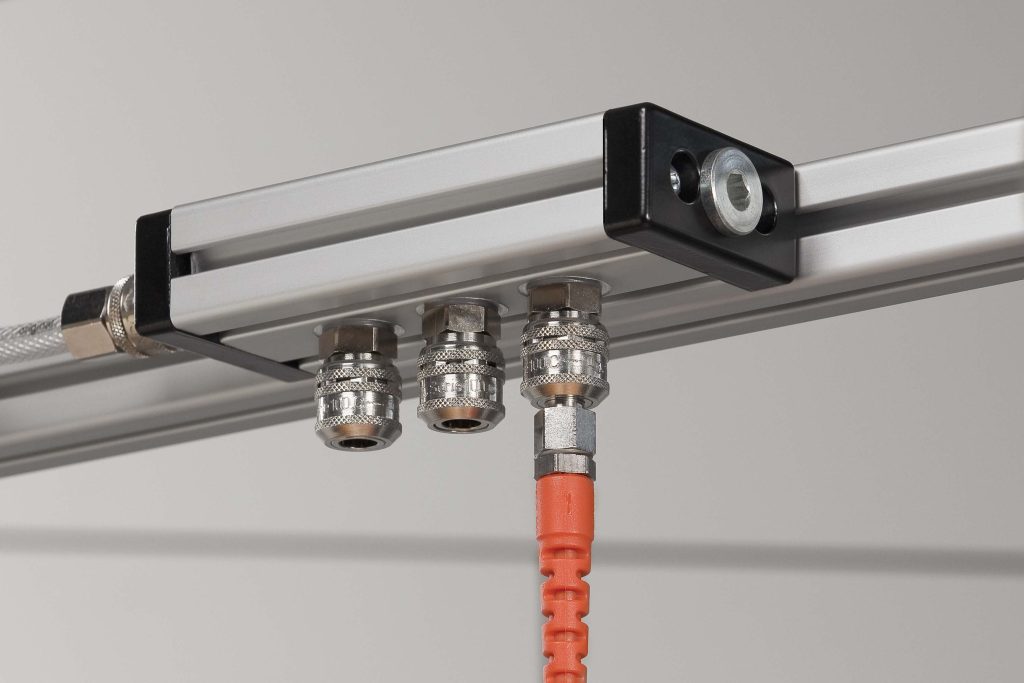
pneumatic component

Key Advantages Include:

  • Consistent and accurate motion control
  • Reliable performance during continuous operation
  • Fast response times for automated processes
  • Reduced mechanical complexity
  • Improved equipment productivity
  • Smooth integration with automated machinery
  • Enhanced operational flexibility
  • Long-lasting performance under demanding conditions

Enhancing Automation Efficiency

Smart equipment systems rely on dependable components to maintain seamless workflow execution. High-quality pneumatic solutions contribute significantly to achieving automation goals.

Benefits for Automated Operations

  • Faster production cycle completion
  • Stable machine functionality
  • Improved process consistency
  • Accurate positioning and movement
  • Efficient handling of repetitive tasks
  • Reduced operational interruptions
  • Better coordination between machine functions
  • Increased overall equipment effectiveness

Organizations seeking reliable pneumatic solutions often explore resources where https://www.hebaiele.com/ru/ can serve as a useful reference while evaluating component options for advanced equipment systems.

Supporting Reliable Equipment Performance

Trusted pneumatic components help maintain stable equipment operation across various industrial applications. Their dependable design supports both simple and complex machinery requirements.

Performance Advantages

  • Smooth actuator operation
  • Consistent pressure management
  • Reliable airflow control
  • Enhanced machine responsiveness
  • Stable production output
  • Improved operational accuracy
  • Reduced system wear
  • Greater equipment dependability

These advantages allow equipment systems to maintain high performance standards while supporting long-term operational objectives.

Improving Maintenance and System Longevity

Modern pneumatic components are designed to contribute to efficient maintenance practices and extended equipment life. Their durable construction helps maintain performance over prolonged operating periods.

Maintenance Benefits

  • Simplified servicing procedures
  • Reduced maintenance frequency
  • Improved component durability
  • Consistent operational reliability
  • Lower downtime occurrences
  • Better equipment availability
  • Enhanced system stability
  • Long-term operational value

Effective integration also allows maintenance teams to manage equipment more efficiently while supporting continuous production goals.

Future-Focused Equipment Solutions

As smart equipment systems continue evolving, pneumatic components remain fundamental to achieving reliable and efficient operation. Their versatility, responsiveness, and durability make them ideal for supporting advanced automation requirements.

Key Contributions to Future Growth

  • Increased manufacturing efficiency
  • Greater operational flexibility
  • Improved process optimization
  • Enhanced equipment reliability
  • Better productivity outcomes
  • Consistent performance standards
  • Strong support for automation initiatives
  • Sustainable long-term equipment operation

By integrating trusted pneumatic components effectively, smart equipment systems can achieve superior performance, dependable operation, and continued productivity growth while supporting the evolving demands of modern industrial environments.