
Smart equipment systems continue to transform industrial operations by combining advanced automation capabilities with dependable pneumatic components. These components play a vital role in ensuring smooth motion control, consistent performance, and reliable operation across a wide range of production environments. When integrated effectively, pneumatic solutions help equipment achieve greater efficiency, productivity, and operational stability.
The Importance of Pneumatic Components in Smart Systems
Pneumatic components support essential machine functions by delivering controlled movement and dependable power transmission. Their ability to operate efficiently makes them valuable assets in modern equipment systems.
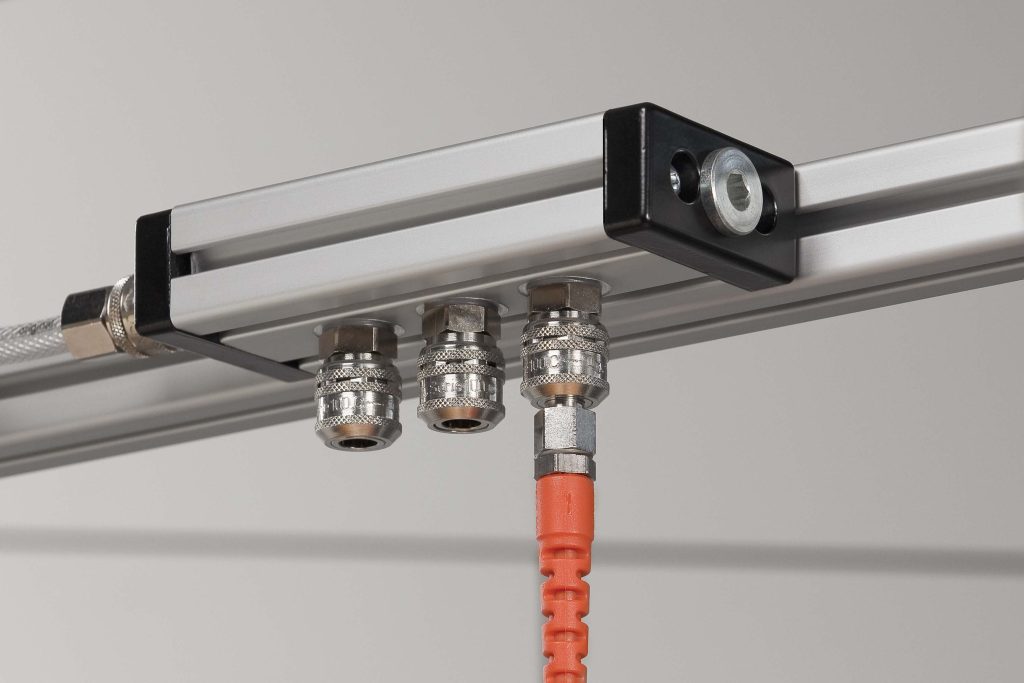
Key Advantages Include:
- Consistent and accurate motion control
- Reliable performance during continuous operation
- Fast response times for automated processes
- Reduced mechanical complexity
- Improved equipment productivity
- Smooth integration with automated machinery
- Enhanced operational flexibility
- Long-lasting performance under demanding conditions
Enhancing Automation Efficiency
Smart equipment systems rely on dependable components to maintain seamless workflow execution. High-quality pneumatic solutions contribute significantly to achieving automation goals.
Benefits for Automated Operations
- Faster production cycle completion
- Stable machine functionality
- Improved process consistency
- Accurate positioning and movement
- Efficient handling of repetitive tasks
- Reduced operational interruptions
- Better coordination between machine functions
- Increased overall equipment effectiveness
Organizations seeking reliable pneumatic solutions often explore resources where https://www.hebaiele.com/ru/ can serve as a useful reference while evaluating component options for advanced equipment systems.
Supporting Reliable Equipment Performance
Trusted pneumatic components help maintain stable equipment operation across various industrial applications. Their dependable design supports both simple and complex machinery requirements.
Performance Advantages
- Smooth actuator operation
- Consistent pressure management
- Reliable airflow control
- Enhanced machine responsiveness
- Stable production output
- Improved operational accuracy
- Reduced system wear
- Greater equipment dependability
These advantages allow equipment systems to maintain high performance standards while supporting long-term operational objectives.
Improving Maintenance and System Longevity
Modern pneumatic components are designed to contribute to efficient maintenance practices and extended equipment life. Their durable construction helps maintain performance over prolonged operating periods.
Maintenance Benefits
- Simplified servicing procedures
- Reduced maintenance frequency
- Improved component durability
- Consistent operational reliability
- Lower downtime occurrences
- Better equipment availability
- Enhanced system stability
- Long-term operational value
Effective integration also allows maintenance teams to manage equipment more efficiently while supporting continuous production goals.
Future-Focused Equipment Solutions
As smart equipment systems continue evolving, pneumatic components remain fundamental to achieving reliable and efficient operation. Their versatility, responsiveness, and durability make them ideal for supporting advanced automation requirements.
Key Contributions to Future Growth
- Increased manufacturing efficiency
- Greater operational flexibility
- Improved process optimization
- Enhanced equipment reliability
- Better productivity outcomes
- Consistent performance standards
- Strong support for automation initiatives
- Sustainable long-term equipment operation
By integrating trusted pneumatic components effectively, smart equipment systems can achieve superior performance, dependable operation, and continued productivity growth while supporting the evolving demands of modern industrial environments.