
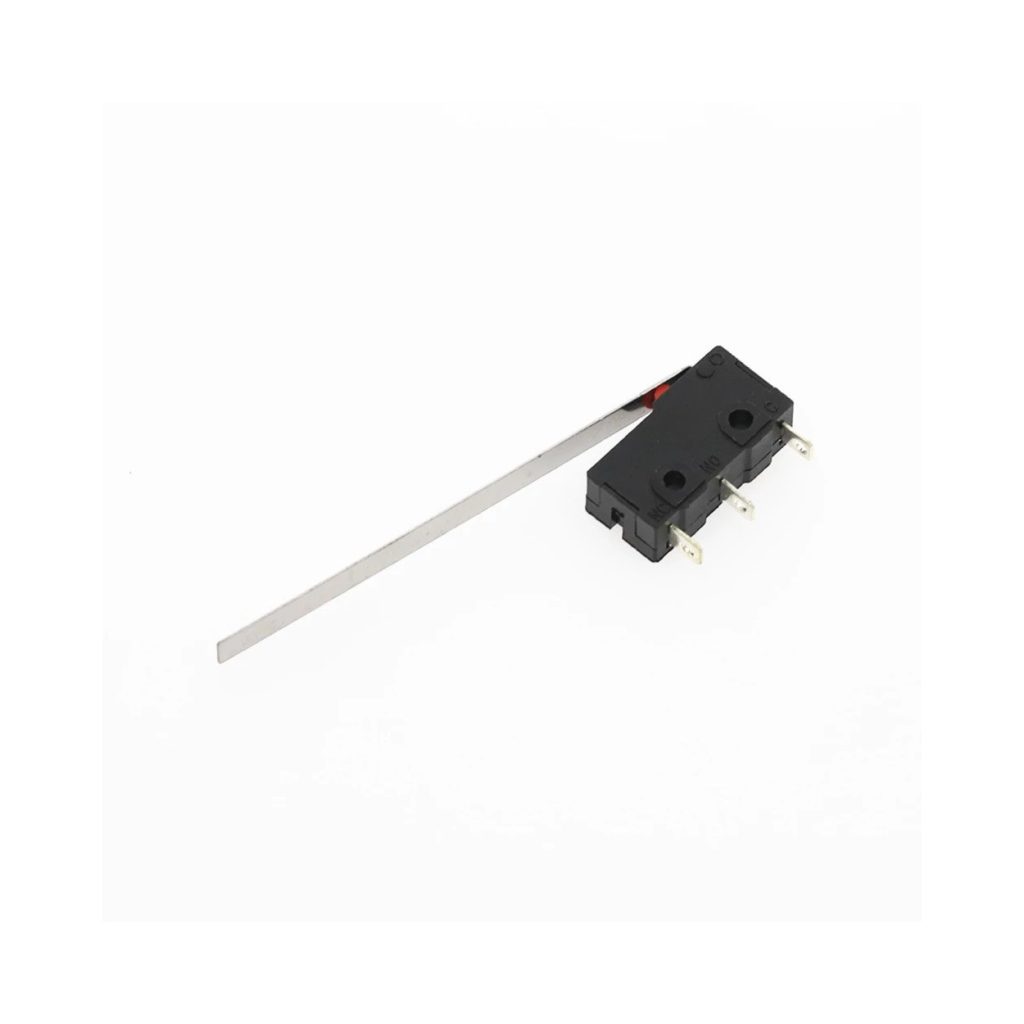
A limit switch sensor is a reliable device used in industrial systems to detect machine position and movement. It ensures that equipment operates within defined limits and supports safe automation. By providing clear signals based on physical contact, it helps maintain accuracy, stability, and efficient system performance in various applications across multiple operational environments efficiently
Working Principle of Position Detection
The working principle of a limit switch sensor is based on direct mechanical contact. When a machine part reaches a set position, it activates the switch, converting movement into an electrical signal. This signal is used for control actions such as stopping or adjusting operations, ensuring precise and reliable system response in automated systems efficiently.
Key Advantages in Machinery Systems
Limit switch sensors provide strong advantages in machinery systems. They improve safety, enhance operational efficiency, and deliver consistent feedback for automation processes. Their simple design allows easy installation and long lasting performance in demanding environments.
- Accurate position detection for precise machine movement control improvement and reliability
- Improves safety and reduces operational over travel risks
- Reliable feedback for automated control systems
- Easy integration and low maintenance requirements
- Supports efficient system operation in industrial environments
- Enhances productivity and process reliability efficiently
Applications Across Industrial Systems
Limit switch sensors are widely used in automation and machinery systems where accurate position control is required. They help maintain smooth operation and ensure correct response at different stages of processes, supporting reliability and efficiency in system performance consistently overall. Engineers utilize limit switch sensor components to enhance precision and improve control in industrial machinery applications today.
- Used in conveyor systems for tracking movement and position control accuracy improvement and reliability
- Manufacturing equipment uses it for cycle control and safety monitoring process optimization efficiency
- Assembly lines benefit from precise step based control and positioning systems integration support
- Robotic systems rely on sensors for controlled movement and boundary detection accuracy enhancement
- Packaging systems ensure accurate stopping points for efficient processing and productivity gain
Accuracy and Performance Strength
Accuracy is a key strength of limit switch sensors, ensuring precise detection of machine position with minimal error. They respond quickly to movement changes, providing dependable signals that support critical control and automation tasks efficiently.
- Provides high precision detection of mechanical position changes consistently accurate
- Ensures immediate response to movement and contact triggers effectively reliable
- Maintains consistent performance with minimal deviation in operational systems efficiency
- Supports reliable signal output for control systems and automation use
Operational Benefits in Automation
Limit switch sensors improve operational performance by enhancing safety, reducing downtime, and maintaining smooth workflow. They help machines operate within defined limits, ensuring stable and efficient system coordination in automated environments consistently and reliably operation.
- Improves overall safety and system control efficiency in machinery use
- Reduces machine downtime and operational interruptions effectively for better performance
- Maintains consistent workflow in automated systems ensuring smooth operation flow
- Enhances coordination between system components for efficient processing tasks execution
Conclusion
Limit switch sensors are essential components in modern systems, offering accurate position detection and reliable control. Their simple design, durability, and high performance make them valuable for improving safety and efficiency. They continue to support advanced automation processes by ensuring precise operation and stable system behavior across various applications in multiple industrial applications efficiently reliably.